

When you need electrical services, trust the experts at Mohs Electric. Our technicians have the skills, knowledge, and tools to fix most general electrical service problems on the spot. Including safety inspections, light fixture repair and installs, and generator services.
Must call by 12 PM for Same Day Service
What you get from Mohs Electric:
A home generator installation by an electrician refers to the process of setting up a backup generator system in a residential property to provide electrical power in case of a power outage. This installation is typically performed by a licensed electrician who is knowledgeable about electrical systems and local building codes. Here are the key steps involved in a home generator installation:
The electrician will begin by assessing the homeowner’s power needs and the type of generator that would be suitable for the property. This involves determining the size and capacity of the generator required based on factors such as the size of the home, essential appliances, and other electrical loads.
Once the assessment is complete, the electrician and homeowner will choose a generator that meets the specific needs and budget. Generators come in various types, such as portable generators, standby generators, and whole-house generators, each with its own installation requirements.
The electrician will obtain any necessary permits and ensure that the installation complies with local building codes and regulations.
The generator needs to be installed in an appropriate location, which is typically outdoors to allow for proper ventilation and exhaust. The electrician will select a suitable spot and ensure that it meets the manufacturer’s guidelines.
A critical component of a generator installation is the transfer switch. This device safely and automatically switches between the utility power and the generator power when an outage occurs. The electrician will install and connect the transfer switch to the electrical panel.
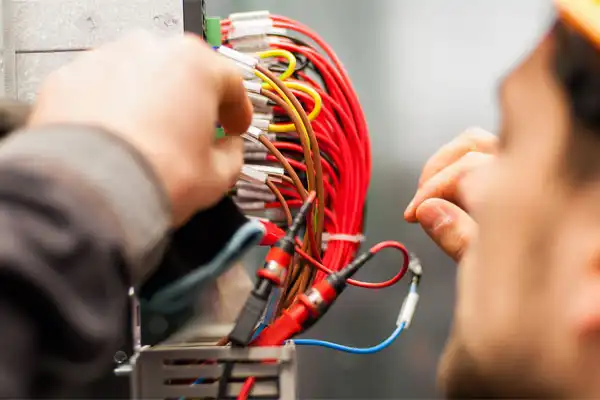
The electrician will connect the generator to the transfer switch using appropriate wiring and electrical connections. This step involves wiring the generator to the electrical panel to ensure that it can supply power to the essential circuits or the entire house, depending on the generator’s capacity.
If the generator is powered by natural gas or propane, the electrician will connect it to the appropriate fuel source and ensure that the fuel supply is properly regulated.
Once the installation is complete, the electrician will thoroughly test the generator and transfer switch to ensure they function correctly. This includes simulating a power outage to verify that the generator automatically starts and provides power to the designated circuits.

A properly installed home generator ensures that essential appliances and systems continue to function during power outages, providing convenience and security to homeowners. It’s essential to hire a licensed and experienced electrician from Mohs Electric for this task to ensure safety and compliance with local codes and regulations for your Minneapolis, MN home.
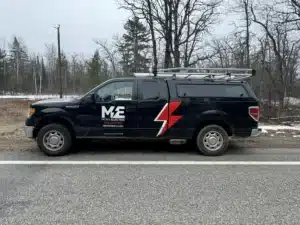
Mohs Electric offers a full line of installation, maintenance, and repair that your home’s generator system may require, no matter the problem or time of year. You can count on our trusted professionals for exceptional service and quality craftsmanship. Mohs Electric is proudly and professionally serving the greater Minneapolis, MN area.
The installation process typically takes one to two days, depending on the size of the generator and the complexity of the setup. Our team will assess your specific needs to provide a more accurate timeline. Call our friendly customer service team at (612) 895-4923 for more information!
Spring offers mild weather conditions, making it an ideal time for outdoor projects like generator installation. Additionally, preparing by installing your generator in advance of summer storms or hurricane season ensures you have reliable backup power when it’s needed most!
Yes, but the location must meet certain guidelines for safety, ventilation, and access. Your Mohs Electric technician will help determine the best placement to ensure safe and efficient operation for your home generator.
Clear away any debris, plants, or obstructions from the installation site. Spring is also a good time to inspect the area for proper drainage to prevent water accumulation near the generator.
Spring’s mild weather can speed up the installation process compared to colder or hotter months. However, rainy conditions may occasionally delay work, so it’s good to plan for possible schedule adjustments.